
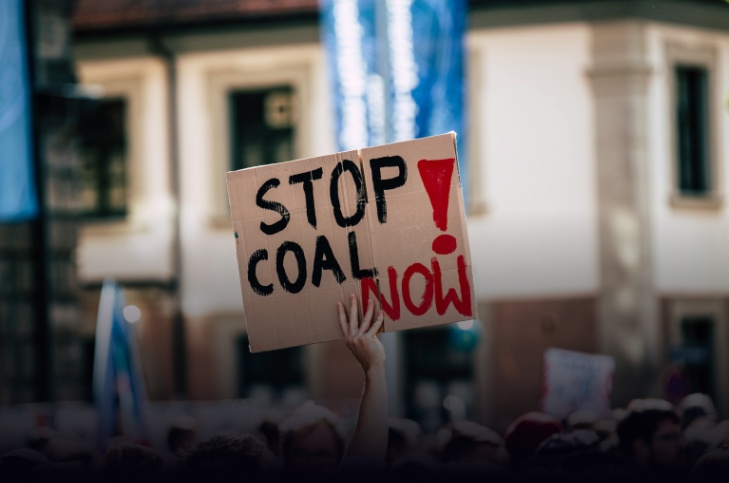
Voter Turnout Highlights The Need For Engaging And Inclusive Policies
Introduction
Voter turnout is one of the most important indicators of the health of a democracy. When citizens actively participate in elections, it reflects trust in the system, awareness of political issues, and a belief that their voices matter. However, fluctuating turnout rates across different regions and elections reveal a deeper challenge—many people feel disconnected from the political process.
Low voter turnout often signals dissatisfaction, apathy, or barriers that prevent participation. On the other hand, high turnout suggests that policies, leadership, and political narratives are resonating with the public. This connection between voter engagement and policymaking highlights a crucial truth: inclusive and engaging policies are essential for strengthening democracy.
In this article, we explore how voter turnout reflects the effectiveness of political systems, the factors influencing participation, and why inclusive policies are key to building a more engaged electorate.
Understanding Voter Turnout
Voter turnout refers to the percentage of eligible voters who cast their ballots in an election. It varies widely depending on:
- Type of election (local, national, or regional)
- Political climate
- Accessibility of voting systems
- Public trust in institutions
High turnout is often seen as a sign of a vibrant democracy, while low turnout raises concerns about representation and legitimacy.
Why Voter Turnout Matters
1. Strengthens Democratic Legitimacy
When more people vote, election outcomes better reflect the will of the population.
2. Encourages Accountability
High participation pressures leaders to address public concerns.
3. Promotes Inclusive Governance
Diverse voter participation ensures that different voices are heard.
Factors Influencing Voter Turnout
1. Political Awareness
Voters who are informed about issues and policies are more likely to participate.
2. Accessibility
Barriers such as long distances, complex procedures, or lack of resources can discourage voting.
3. Trust in the System
If citizens believe their vote matters, they are more likely to engage.
4. Socioeconomic Factors
Education, income, and employment status can influence participation rates.
The Role of Policies in Voter Engagement
Policies play a critical role in shaping voter turnout.
1. Inclusive Policies
Policies that address the needs of diverse groups encourage participation.
2. Transparent Governance
Clear and open decision-making builds trust.
3. Responsive Leadership
Leaders who listen to citizens foster engagement.
The Importance of Inclusive Policies
Inclusive policies ensure that all segments of society are represented.
Key Elements:
- Equal access to resources
- Protection of minority rights
- Opportunities for participation
When people feel included, they are more likely to vote.
Engaging Policies and Their Impact
1. Addressing Public Needs
Policies that directly impact daily life—such as healthcare, education, and employment—motivate voters.
2. Encouraging Participation
Initiatives like voter education programs can increase turnout.
3. Building Trust
Consistent and fair policies strengthen confidence in governance.
Barriers to Voter Participation
1. Administrative Challenges
Complex registration processes can discourage voters.
2. Lack of Awareness
Many people are unaware of election procedures or issues.
3. Disillusionment
Negative experiences or unmet expectations can lead to apathy.
Strategies to Improve Voter Turnout
1. Simplify Voting Processes
Making voting easier can increase participation.
2. Promote Civic Education
Educating citizens about their rights and responsibilities is essential.
3. Use Technology
Digital platforms can improve accessibility and awareness.
4. Encourage Youth Participation
Engaging young voters is crucial for the future of democracy.
The Role of Technology in Voter Engagement
Technology has transformed how people engage with politics.
Benefits:
- Easy access to information
- Online voter registration
- Digital campaigns
Challenges:
- Misinformation
- Digital divide
Case Trends in Voter Turnout
High Turnout Elections
Often driven by:
- Strong political competition
- Important issues
- Effective campaigns
Low Turnout Elections
Usually associated with:
- Lack of interest
- Limited awareness
- Barriers to participation
The Impact of Media
Media plays a crucial role in shaping voter behavior.
Positive Role:
- Informing the public
- Highlighting key issues
Negative Role:
- Spreading misinformation
- Creating bias
Youth and Voter Participation
Young people are a vital part of the electorate.
Challenges:
- Lack of interest
- Limited awareness
Solutions:
- Education programs
- Social media engagement
Gender and Voter Turnout
Gender equality is an important aspect of inclusive policies.
Key Points:
- Encouraging female participation
- Addressing barriers faced by women
The Link Between Policy and Participation
Policies that improve quality of life encourage voter engagement.
Examples:
- Education reforms
- Employment opportunities
- Social welfare programs
Building Trust in Political Systems
Trust is essential for high voter turnout.
Ways to Build Trust:
- Transparency
- Accountability
- Fair elections
The Future of Voter Engagement
1. Digital Democracy
Online platforms may play a larger role in voting.
2. Greater Inclusivity
Policies will need to address diverse populations.
3. Increased Awareness
Access to information will continue to grow.
Challenges Ahead
- Political polarization
- Misinformation
- Inequality
Addressing these challenges is essential for improving voter turnout.
Conclusion
Voter turnout is a powerful reflection of the relationship between citizens and their governments. High participation indicates trust, engagement, and effective policymaking, while low turnout highlights the need for change.
Inclusive and engaging policies are the foundation of a strong democracy. By addressing the needs of all citizens, simplifying processes, and promoting awareness, governments can encourage greater participation.
Ultimately, a healthy democracy depends on active citizens. When people feel heard, valued, and empowered, they are more likely to take part in shaping their future.